Ever join a game night, sit down, and think, “Okay, but what am I actually trying to do?” That moment hits hard in a board game demo, a new video game mode, or even a backyard sports match. You start playing, then realize you focused on the wrong thing.
The good news is you can spot the game goal fast. When you know what “winning” means, every move feels clearer. You waste less time, make smarter choices sooner, and win more often across board games, card games, and sports.
This works because most games hide the win condition in plain sight. It might be a sentence in the rules, a phrase in the menu, or a visual cue on the board. Below are five simple steps that help you find the objective in under two minutes for most games.
You can even practice on something familiar, like checkers. If you can name the goal there quickly, you can do it for nearly anything. Now let’s start with the fastest way to get a win condition.
Dive into the Rules Right Away for Quick Wins
If you only have a minute, start with the rules setup. It’s the closest thing games have to a “map” for your decisions. Most win conditions sit in one of these places: a tutorial screen, a setup section, a coach’s explanation, or the first page of the rulebook.
In other words, don’t read everything. Scan for the finish line. For example, a Monopoly guide clearly states the main objective: collect property sets, build houses and hotels, then charge rent until you bankrupt everyone else. You don’t need every detail yet, just the win condition. If you want a refresher while you skim, see Monopoly rule guide for 2026.
Here are the best phrases to hunt for when you skim board game rules and the win condition:
- “Win by”: Usually the cleanest sentence in the entire rules section.
- “First to” or “be the first”: Often used in races, objectives, and timed modes.
- “Most points”: Common in score-based games and many modern euro-style designs.
- “Eliminate” or “remove from play”: Typical for games where survival matters.
- “Protect” or “defeat”: Often shows up in faction or role-based games.
- “The game ends when”: This tells you when to stop chasing plans.
Also watch for a “quiet winner” clause. Some games say the win condition directly. Others describe what prevents you from winning. That still counts, because it tells you what you must avoid.
The fastest win condition is the one written in plain language. Skim until you find a sentence that sounds like the last line of the story.
If the rules are long, open the table of contents. Then jump straight to “Objective,” “Winning,” “End of game,” or “How to play.” Those sections exist because designers expect confusion.
Real Examples from Popular Games
One paragraph can be enough. Here are a few examples where the objective pops quickly:
In Bang!, each role has its own goal. The Sheriff’s win is to eliminate all Outlaws and the Renegade. If you skim only for “Sheriff” and “objective,” you often find the whole point of the game. You can see the role-based goals in Bang! official English rules PDF.
In chess, the goal is even more direct. You try to checkmate the opponent’s king. The rules also define what “checkmate” means, so you know when the game truly ends. If you want a clear reference, see Rules of chess.
That contrast matters. Some games have one shared objective. Others give each player a different one. Your scanning method should still work, because the win condition is still written somewhere near the start.
Ask These Three Questions to Uncover the Objective
If skimming fails, switch to questions. Questions are like flashlights. They help you cut through noise fast, especially when the game has hidden goals or multiple win paths.
Ask these three questions in order, and you’ll usually know the goal quickly:
- Who wins?
One player, a team, the “most” of something, or the last survivor? - How do you win?
Is it points, elimination, reaching a spot, controlling territory, or fulfilling missions? - When does it end?
After a certain number of rounds, when a timer hits zero, after a score limit, or when a key target is removed?
Now pause and connect each answer to your next decision. That’s what turns rules into action.
This is also how video games and sports communicate objectives. In sports, the win condition is often “score more than the other team before time runs out.” In basketball, the objective is to score by throwing the ball into the basket and earn points within the game clock rules. You can find the basics in basketball Olympic rules overview.
In asymmetric games, these questions prevent a common mistake. You might assume your goal matches the team’s goal. But in games with roles, your “who wins” can be different even if you share a deck or board.
Try this quick mental script while you play:
- “Okay, I know who wins.”
- “Now, what is the scoreboard tracking?”
- “Finally, what ends the match?”
Once you answer those, your confusion drops fast.
Tailor Questions for Different Game Types
Some genres hide the objective in different places, so your questions should adapt.
In many board games, “how you win” often ties to tracks (score, victory points, progress) or sets (property sets, card collections). In deck-builders, it might tie to “most points” from effects and end-game scoring. In engine builders, it can be “highest value” from assets or control.
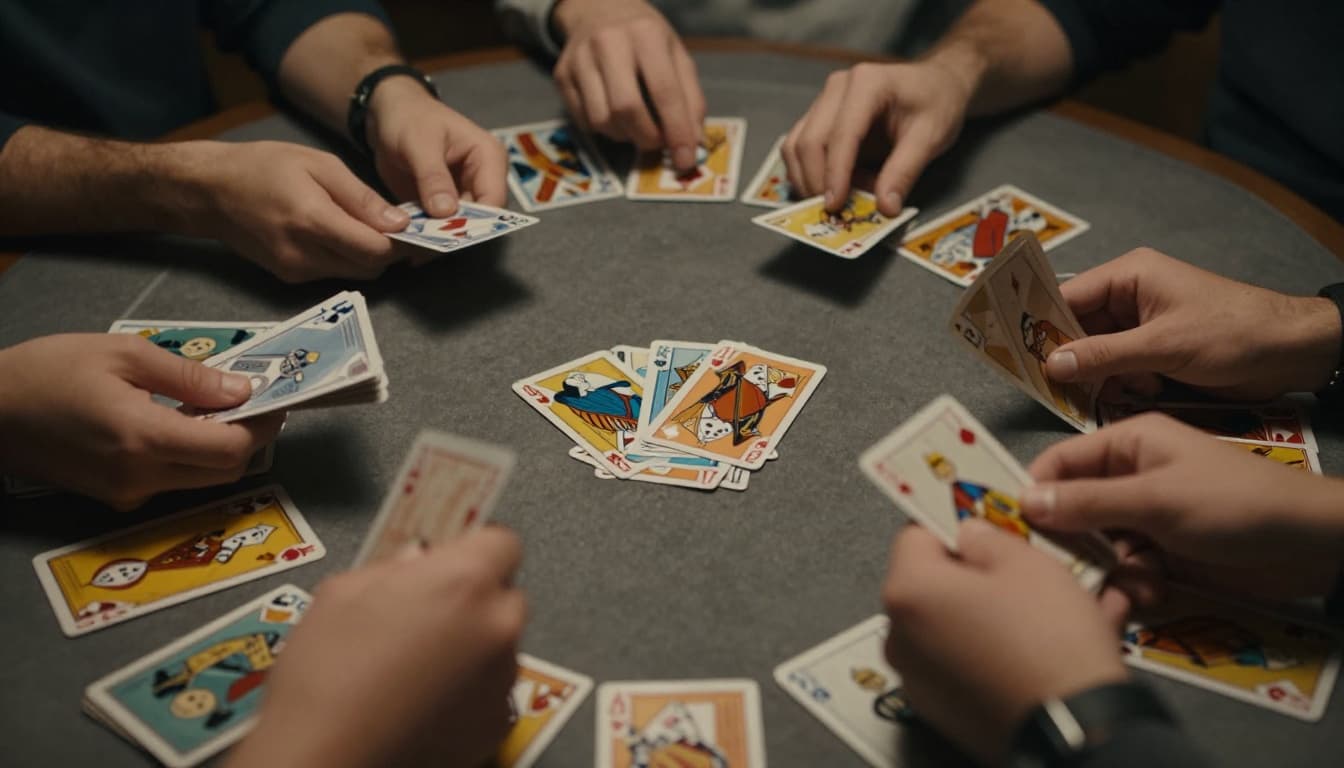
In card games, the objective may show up as a simple end state. “Be the first to meet the finish rule,” or “lose when you run out of cards.” In Uno, for example, winning is often tied to shedding all your cards first. If you want rule guidance, see Uno card game rules and strategies.
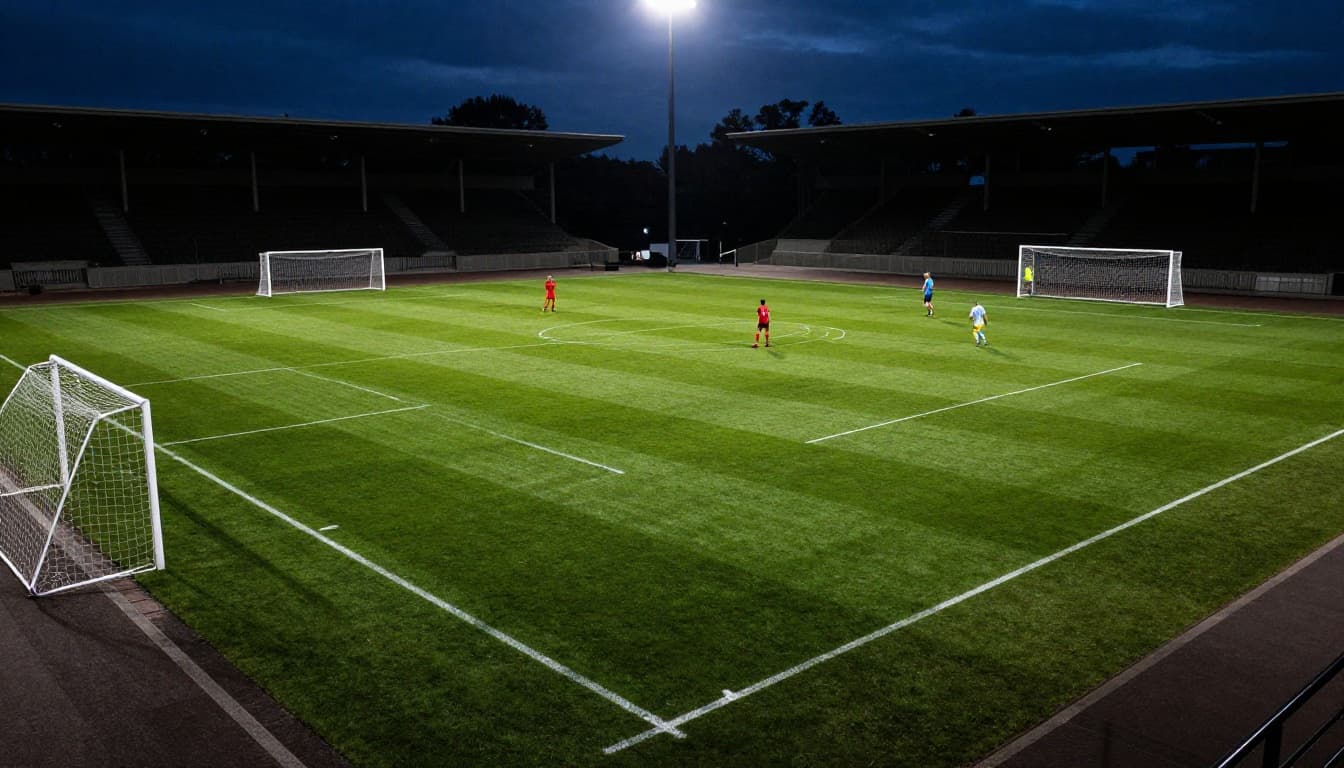
In sports, your questions usually map to field markers. Goal lines, end zones, nets, or baskets are the game’s “how.” Time limits are the game’s “when.”
The point is simple: you’re not learning every rule yet. You’re learning enough to choose the right plan.
Scan the Setup for Obvious Visual Hints
Sometimes you barely need text. Many games announce the objective with visuals. That’s why scanning can beat reading.
Look at the board, screen, field, or table setup. Ask, “What looks designed for winning?” Then focus on repeat patterns. Designers place victory tools where your eyes naturally go.
In board games, you might see score tracks, victory point markers, or a clear finish space. In video games, you might see a timer, objective icons, or a progress bar. In sports, you see goal lines and the scoring zone.
Here’s a tight way to do it in about 30 seconds:
- Find the scoreboard: score track, point meter, team totals, or UI goals.
- Find the end zone: finish area, extraction point, base, or king square.
- Find the win threat: health bars, elimination zones, or “target” markers.
- Find the reset: round markers, turn counter, or time limit indicator.
You can also use the setup to predict what actions matter. If a game includes a lot of resource tokens but no end-game scoring, you likely need an intermediate step. If it includes a clear scoring row, you probably need to manage that score.
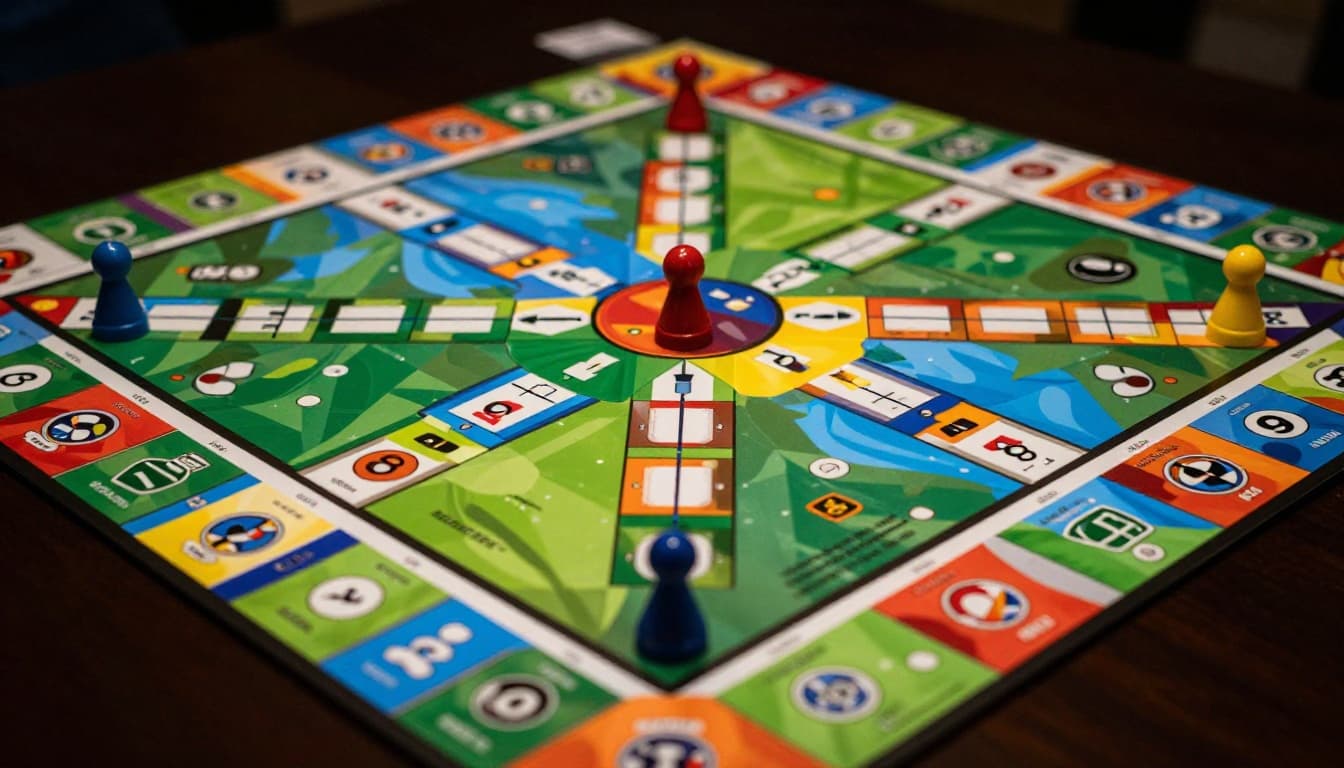
Visual scanning also works when rules are missing. Maybe someone didn’t bring the instruction booklet. Maybe you only have a quick demo setup at a store. In those cases, the board itself becomes the guide.
If you don’t see a score or an end area, assume the goal is hidden in roles or special actions.
Even then, the setup still gives clues. It tells you what kind of actions the game expects you to repeat.
Common Clues by Game Category
Different game types shout in different ways.
Board games often show point tracks or set-collection areas. You might also see “build here” spots that exist because building leads to rent or scoring. Video games usually show UI goals like progress, capture zones, or mission steps. Card games often show piles that represent what matters most, like draw decks, discard piles, and the “end” state.
Sports clues are the simplest. Nets, baskets, goal lines, end zones. Those shapes are the objective made visible.
And if you’re watching a new sport or a rule variation, don’t guess. Instead, watch where referees point and where players cluster.
Observe the Opening Moves to Confirm Your Guess
Now confirm. The first 1 or 2 turns are like a test drive. Most games teach you the objective by letting you feel what rewards actions.
Watch what people do when they’re not stressed yet. Then ask, “What creates progress?” In some games, progress is points. In others, progress is board control. Sometimes it’s simply who eliminates whom.
A good confirmation pass uses two steps:
- Watch the first round (or play your first turn carefully).
- Track the repeat action players do after they learn the flow.
For example, in basketball, early plays focus on getting a shot near the hoop. That makes the goal obvious: score more points before time ends. In many card shedding games, early rounds focus on discarding and chaining effects, because the win comes from reducing your hand.
Uno gives a clear lesson here. The early turns often reveal whether the key mechanic is speed (getting rid of cards) or blocking (forcing opponents to draw). If the group keeps discarding quickly, the win condition is almost certainly “run out of cards first.” The rules also support the shedding-first idea in Uno card game rules and strategies.
If your guess is wrong, the game usually corrects you fast. That’s why this step is so valuable. You don’t need perfect knowledge. You need quick correction.
If the first turns don’t seem to matter, watch longer. Many objectives take 2 turns to reveal themselves.
Once you confirm, you can make a plan with confidence instead of hoping.
Spot Twists Like Secret or Changing Goals
Some games break the “one clear objective” rule. They use secret goals, changing conditions, or role-based wins. That’s why your process needs a twist check.
Start by asking: “Does the game say or imply that goals can change?” Then look for keywords like:
- “At the start of the round…”
- “During setup…”
- “If a condition happens…”
- “Secret objective…”
- “Additional victory conditions…”
For asymmetric games, your goal might depend on your role. In those cases, the setup and role cards often hold the truth. In hidden-role games, the objective can even be different from the story theme. So focus on what the card says you must eliminate or achieve.
Also check for end-game scoring rules that arrive late. Some games start with one win path, then shift to a scoring phase. That shift can flip your strategy.
If you’re still stuck, use a simple search: “how to win [game name]”. You’re not trying to memorize strategy. You’re looking for the sentence that states the win condition. This is faster than reading every page.
In March 2026, even new board games follow this pattern. For instance, For the Gods! uses area control and tribute play, with winning tied to earning the most favor. Cozy Stickerville uses neighborhood goals and milestone scoring. Brass: Pittsburgh points to industry networks, loans, and shipments driving the final score. Those examples show how designers tell you what to do, then how to cash it in.
If you practice this five-step flow, you’ll hit the right objective about 90% of the time. The remaining 10% usually comes from secret rules or a rare variant.
Conclusion: Your Quick Objective Toolkit
You don’t need to read a whole rulebook to find the goal. Start with rules scanning, then ask who wins, how, and when. Next, check the setup for visual hints. After that, confirm with the first moves you see or play. Finally, look for secret or changing objectives.
That’s the toolkit. It turns “I’m lost” into “I know what matters,” fast. As you try it, you’ll spend less time guessing and more time enjoying the game.
Pick your next game night, open the rules for a quick scan, and try the checklist once. After all, the best way to get better is to practice on real tables and real matches.
What game objective did you figure out faster than you expected?