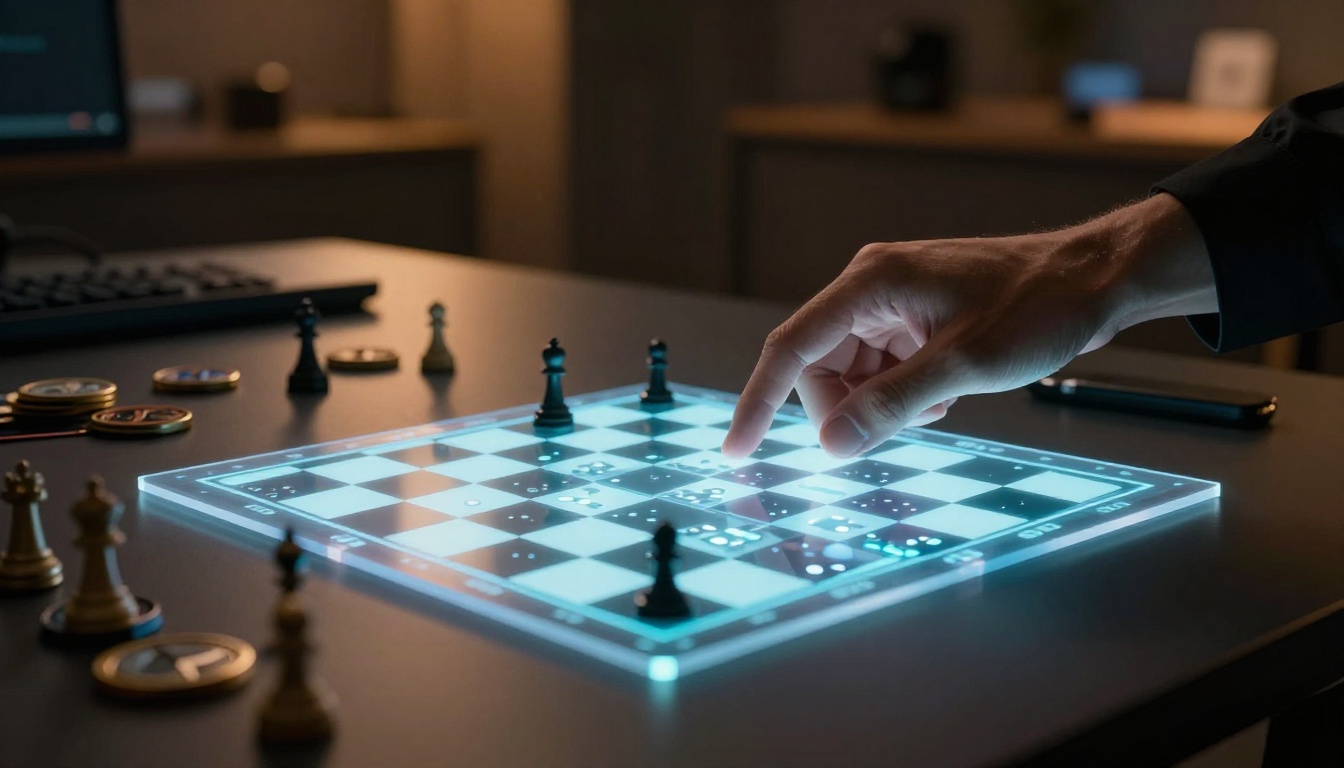
Picture a chess match where you can think about each move for a few breaths. That “wait, plan, act” feeling is the heart of turn-based games. Instead of racing to react, you choose what to do, then the game resolves it step by step.
If you get annoyed by fast action, turn-based games can feel like a breath of fresh air. You get time to read the situation, and your decisions matter more than reflexes. That makes them a great fit for casual players who still want real strategy.
Next, you’ll learn how turns work in practice, how battles flow inside a single turn, and how to pick good starter games. You’ll also see what’s popular in March 2026, plus beginner tips to win sooner.
Break Down the Basics: What Makes a Game Turn-Based
A turn-based game is built around one simple rule: players act one at a time. You take your turn, finish your choices, then the next player takes theirs. There’s no constant overlap of actions happening at once.
Think of it like a board game. If it’s your turn, you move your piece, choose an action, and then you’re done. Then the board “moves” to the next person’s plan.
In video games, this usually shows up as a pause in time. You pick from options, then the game plays out what you chose. As a result, you can slow down and plan your next step instead of panicking under pressure.
Common actions during a turn include:
- Moving your character or unit
- Attacking an enemy (sometimes with different attack types)
- Using items from a menu
- Casting a skill (often with costs like mana or cooldown)
- Switching position, equipment, or team members
To see a clear definition and how people describe the concept, you can check what a turn-based game is.
One more beginner-friendly detail is the UI. Many turn-based games show health bars, enemy status, and sometimes “what will happen” hints. That clarity matters because you’re making choices with information. In real-time games, you can miss details because the action keeps moving. Here, the game gives you a moment to notice.
In short, turn-based games trade speed for thinking. You get to be the planner, not just the reaction button.
Inside One Turn: Planning, Action, and Smart Choices
Most turn-based battles follow a loop. First you plan, then you act, then you see results. After that, the game updates everyone and passes the turn onward.
Here’s a simple way to picture it:
The planning phase: choose from your options
During planning, you pick what you want to do. Usually, you select from a menu, a grid, or a list of actions. You might choose an attack, pick a target, use an item, or change your stance.
Because time pauses for your choice, you can think in layers. For example, you might ask:
- Can I finish this enemy now?
- If I don’t, what do they do next?
- Should I heal, or should I push damage?
In many games, you also get previews or at least strong clues. Even when you don’t see exact numbers, you can often predict the outcome.
The action phase: the game resolves your choice
Next, the game runs the selected action. You’ll see an attack animation, hear the impact, and watch health bars move. Sometimes it’s one simple hit. Other times, it’s a chain of effects like buffs, status changes, and follow-up damage.
This is where good turn-based games feel exciting without feeling rushed. Your decision leads to a visible result. You learn quickly what works.
The cleanup phase: update stats and pass the turn
Finally, the game updates the battlefield. That can include removing defeated enemies, applying damage-over-time effects, and changing who gets turns next. Then the game shifts to the next player or team member.
You can think of this like cooking. Planning is picking ingredients. Action is cooking in real time. Cleanup is plating and clearing the counter.
Action economy: the quiet rule behind most wins
One concept powers turn-based strategy more than beginners expect: action economy. In plain terms, you have a limited number of actions each turn, and so does the enemy.
So when you reduce enemy options, you gain a hidden advantage. If you knock out one foe, that enemy can’t take their next turn. That means fewer threats and fewer attacks against you.
A classic example is Pokémon-style battles. On your turn, you might:
- Attack to deal damage
- Heal to survive the next hit
- Switch to bring in a better matchup
Each choice affects how many useful actions the opponent gets to take.
Now let’s zoom in on decision skills you can use immediately.
Spot Enemy Weaknesses Before You Strike
A strong beginner habit is checking what’s in front of you before you commit. Many RPGs make this easy with type matchups, armor categories, or elemental resistances.
For example, imagine an ice enemy in an RPG. A fire attack might do much more damage. If you pick the “wrong” move, you waste your action. If you pick the “right” move, you win your turn back through faster knockouts.
Even when the game doesn’t show exact weaknesses, it often gives signals. Enemy animations, resistance icons, or tooltips can help. Still, don’t ignore your first instinct. If the game hints that something works, test it.
Over time, you’ll build a “scan” routine. You glance at enemy info, then you choose the action that gives you the best payoff.
Watch Your Moves Play Out with Cool Animations
The action phase is more than eye candy. It teaches you. When attacks land clearly and effects resolve quickly, you learn patterns fast.
That matters for beginners because you need feedback. If combat takes forever, you lose the thread. If results show up clearly, you can adjust your next plan.
Good turn-based animations do two things:
- They make each choice feel meaningful
- They keep the pace moving so you stay engaged
So when a game lets you see enemy health drop, status change, or shield break, it helps you think better next turn.
Gain the Edge with Action Economy Tricks
Action economy is where beginners start feeling powerful. One simple trick is reducing the enemy’s “turn value.” You do this by targeting enemies that cause trouble on their turn.
Here are a few common approaches:
- Finish low-health enemies early. Fewer enemies means fewer enemy actions overall.
- Use crowd control when available. Stun, freeze, or debuffs can block key enemy moves.
- Plan around turns, not just damage. Sometimes the best play is preventing an attack that would wipe you later.
A helpful mental shortcut is simple math. If you remove one enemy now, you remove at least one full action later. That’s often better than doing “extra damage” to a tougher target who will still act.
Turn-Based vs Real-Time: Pick Your Perfect Pace
Turn-based and real-time games can feel like two different sports. One rewards steady planning, the other rewards fast response.
Here’s a quick comparison:
| Feature | Turn-Based | Real-Time |
|---|---|---|
| Pace | Thoughtful, step by step | Fast, happening continuously |
| Skill focus | Planning, reading, setup | Reflexes, positioning, timing |
| Stress level | Often lower during choices | Often higher during pressure moments |
| Learning curve | Usually gentler for decisions | Can be steeper because mistakes hit fast |
| Best moments | Big turn wins | Close escapes, quick kills |
If you want a deeper look at how developers compare these systems, turn-based vs. real-time combat offers a useful angle on design choices.
Most importantly, turn-based games help you learn without instant punishment. You still lose sometimes, but you usually know why. You chose a move, and the game showed the result.
That’s why turn-based games can be perfect for beginners. They help you build strategy before speed becomes a requirement.
Lower Stress Lets You Build Real Strategies
Real-time combat can feel like constant pressure. If you hesitate, the enemy keeps going. Turn-based combat flips that pressure into thinking time.
You can pause, look for patterns, and predict what the opponent might do next. Then you counter it with your next turn. That cycle helps you improve faster, because you practice decision-making directly.
So if you want control, turn-based games give it to you. They let you play at your pace, then raise the difficulty once your choices get smarter.
Start Playing These Beginner-Friendly Turn-Based Hits
Want a shortcut to fun? Start with games that teach you systems gently. The best beginner turn-based games have tutorials, clear feedback, and “easy mode” options that still let you learn.
Also, pick a game that matches what you like most. Do you want monsters and story? Do you want tactical grids? Do you want quick matches you can fit into a commute?
Below are solid entry points, grouped by style.
RPG Adventures Like Pokémon and Clair Obscur
If you want turn-based combat that feels approachable, Pokémon is a great example. Battles come in chunks. Turns are clear. You pick a move, then watch the outcome. You also learn matchups over time.
For a more modern feel, Clair Obscur: Expedition 33 is a notable 2026 pick for new players. It leans into turn-based battles, plus strong action options like defensive choices and timing-heavy mechanics. If you’re jumping in and want a clean way to understand the early systems, use Clair Obscur Expedition 33 starter guide.
It’s also a good reminder that turn-based doesn’t mean slow. You still get drama when big effects hit, you just control the decision moment.
Strategy Grids in Disgaea 6 and Classics
If you like thinking several steps ahead, grid tactics is your lane. Disgaea 6 is known for deep systems, but it can still work for beginners if you approach combat step by step. Many of the game’s strongest wins come from understanding turn flow, positioning, and how different skills interact.
When you want help getting into the rhythm, Disgaea 6 combat tips and tricks is a good place to start.
Also, don’t worry if you don’t understand everything on day one. With Disgaea, small improvements stack fast. You’ll learn what matters as you fight.
Quick Card Duels for On-the-Go Fun
Not every turn-based game needs a long campaign. Digital card games are perfect for short sessions. You build a deck, then you make choices one turn at a time.
Card duels teach a few key skills fast:
- Reading your opponent’s likely plan
- Timing plays to protect your future turns
- Managing limited resources (like energy or cards in hand)
If you want turn-based strategy without big loading screens, card games are a smart entry point.
Quick History and 2026 Trends to Know
Turn-based combat didn’t start in video games. It shows up in board games, tabletop RPGs, and strategy classics long before consoles existed.
In video game form, the idea took off as systems matured. By the 1980s and 1990s, RPGs and strategy games made turn-based fights mainstream. Then Pokémon helped more players fall in love with “pick a move, watch it resolve” combat.
Modern turn-based games often mix older rules with newer presentation. As a result, you’ll see faster animations, clearer effects, and more customization.
What’s popping in March 2026 (US)
Right now, players in the US are checking out both fresh releases and major updates. Some of the turn-based games and updates getting attention include:
- Monster Hunter Stories 3 (March 13, 2026), turn-based monster battles in the Monster Hunter world
- Stoneshard – Blood Omens Update (March 28, 2026), adding new content to a tougher survival RPG
- Thornetica (Demo) (March 28, 2026), a demo you can try before committing
- The Crazy Hyper-Dungeon Chronicles (March 28), a fun dungeon crawler with turn-based fights
- Into the Breach, still loved for short, smart mech battles where each move matters
- Tactics Ogre Reborn and Fire Emblem: Three Houses, both popular for deeper choices and planning
If you’re searching for what to play next, start with your mood. Want light and quick? Choose a short tactics or card duel. Want systems and long runs? Pick an RPG like Monster Hunter Stories 3 or a strategy classic.
Win More from Day One: Essential Beginner Tips
Beginner losses can feel random. Usually, they aren’t. Turn-based games reward habits. When you build good habits early, your success rate jumps.
Instead of chasing perfect play, focus on simple patterns you can repeat every battle.
Here are a few practical moves you can apply from your first session.
Prioritize Weak Foes to Shrink Enemy Turns
This is the most beginner-friendly version of action economy. If one enemy is close to falling, consider targeting them first.
Why does this work? Because you’re reducing the number of future turns the enemy gets.
It’s not always the highest damage move. However, it often creates the biggest advantage. When fewer enemies stay on the field, your team stays safer.
In multi-enemy fights, look for the “easy KO” target. Then plan your next action so you can finish them before they act again.
Use Auto-Battle and Easy Modes to Learn
Many beginners avoid harder games too early. That’s common. Still, you don’t need to suffer to learn turn-based strategy.
Use auto-battle or easy modes when a game offers them. These features let you practice decision timing and observe outcomes. Then, as you get comfortable, you can switch to more manual control.
In Clair Obscur: Expedition 33, you can also find options that make learning less stressful. If you keep failing, drop the difficulty, then come back with a clearer head.
Even if you use auto for a few hours, stay curious. Ask yourself why certain choices work. Over time, you’ll start doing those choices on your own.
Conclusion: Strategy Over Speed Wins
If your first thought about turn-based games is “That’s slower,” you’re missing the point. Turns give you control. They turn combat into decisions you can actually learn from.
Start with a friendly entry like Pokémon, then level up to newer 2026 hits such as Clair Obscur: Expedition 33. For tactics fans, try Disgaea 6 if you want grid-based depth.
Most importantly, remember the core rule: strategy over speed wins. Your next move matters more than your reaction time.
Pick one game this week and aim for your first real win. Then share what worked in the comments, and come back for more beginner guides.